Delivery across Hyderabad | Fresh From Farm | Order Now


- 009-215-5596
Some dishes are made in a hurry. Nihari is not one of them.
Nihari belongs to early mornings, long simmering hours, and kitchens that smell like patience. Traditionally cooked overnight and eaten at sunrise, this stew was never about convenience. It was about depth. Time. Respect for meat and spice.
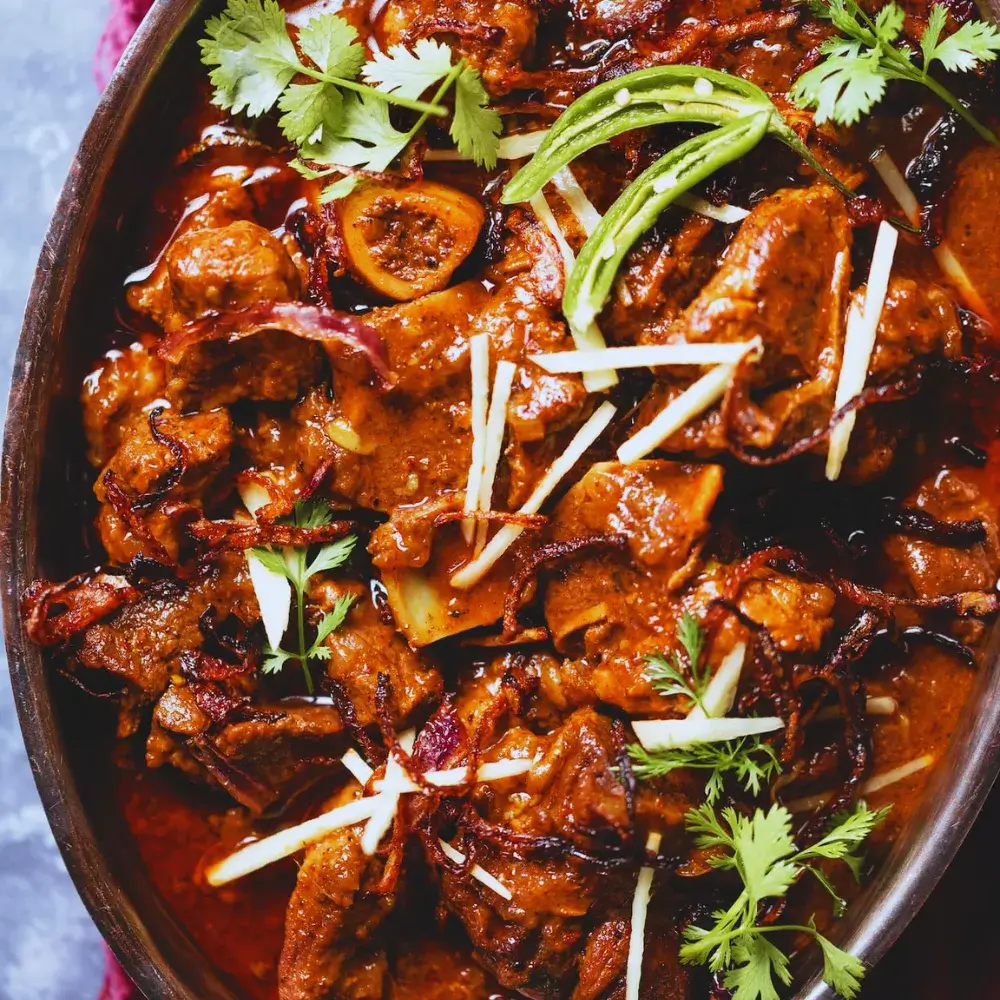
At Pottel Raja, Nihari is where goat meat truly shows its strength. Slow cooked until spoon tender, wrapped in warm spices, and finished with richness that lingers long after the meal is done. This is not everyday curry. This is a ritual in a bowl.
Unlike regular mutton gravies, Nihari relies on gentle heat and layered spices rather than aggressive frying. The meat softens slowly. The marrow melts. The gravy thickens naturally, carrying flavour that feels rounded and comforting instead of sharp.
This is food that rewards patience.
Step 1. Build the Base
Heat ghee or oil in a heavy bottomed pot. Add the whole spices and let them bloom until fragrant. Add sliced onions and cook slowly until deep golden brown. This step sets the foundation, so take your time.
Step 2. Add the Meat
Add ginger garlic paste and cook until raw smell disappears. Add the goat meat and salt. Roast the meat for a few minutes until it picks up colour and the fat starts releasing.
Step 3. Spice It Right
Lower the heat and add all the ground spices. Stir gently so they coat the meat evenly without burning. Add yogurt in batches, stirring continuously so it blends smoothly.
Step 4. Slow Cook
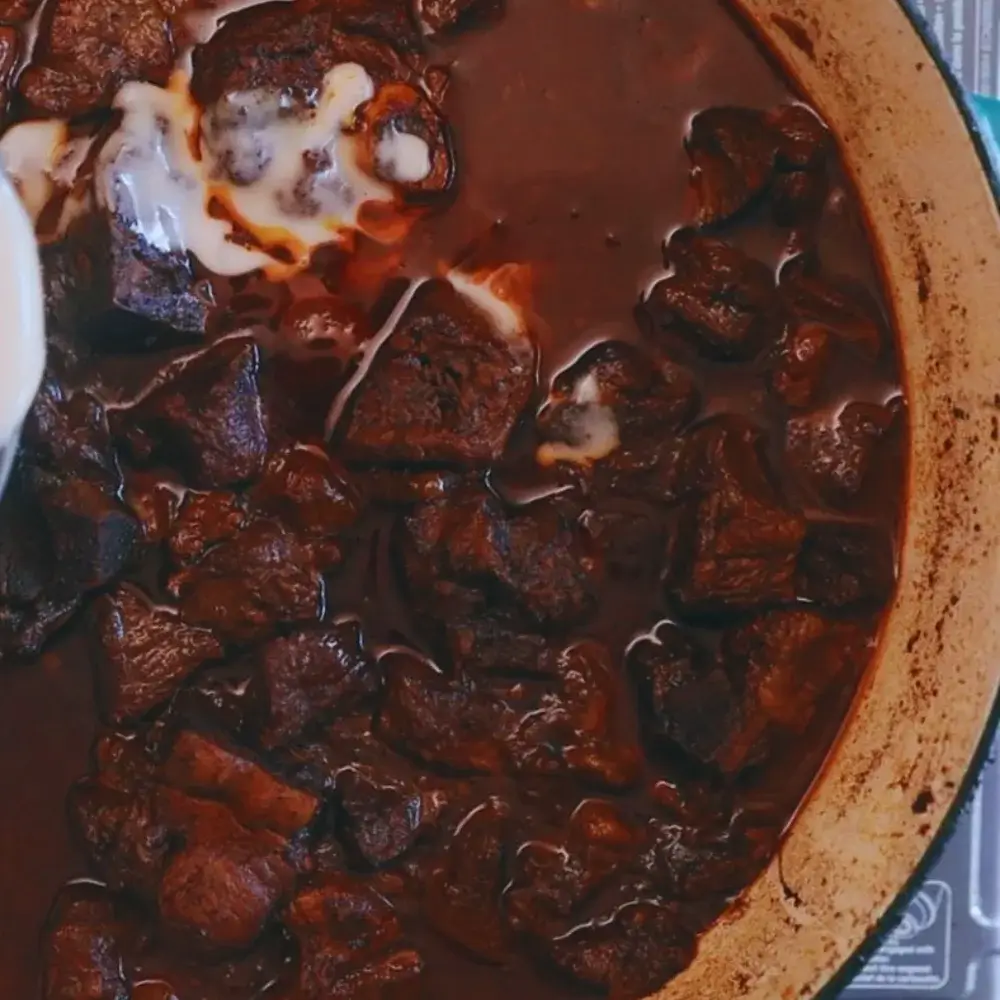
Pour in water or stock. Cover and cook on low heat for about 1½ to 2 hours, stirring occasionally. The meat should become soft enough to break with gentle pressure.
Step 5. Thicken the Nihari
Mix the roasted wheat flour with a little warm water to form a lump free slurry. Add it slowly to the pot while stirring. Let the curry simmer for another 15 to 20 minutes until the gravy thickens and turns glossy.
Step 6. Final Touch
Taste and adjust salt. Sprinkle garam masala, add ginger juliennes, and turn off the heat. Let the Nihari rest for at least 10 minutes before serving.
Nihari is best served hot and slow, just like it’s cooked.
Pair it with soft naan, khameeri roti, or sheermal if you want to stay traditional. A squeeze of lemon, fresh coriander, and sliced green chillies on top bring balance to the richness.
On the side, keep it simple. Thinly sliced onions, fresh radish, or plain yogurt work perfectly.
This is not a meal you rush. It’s one you sit with.
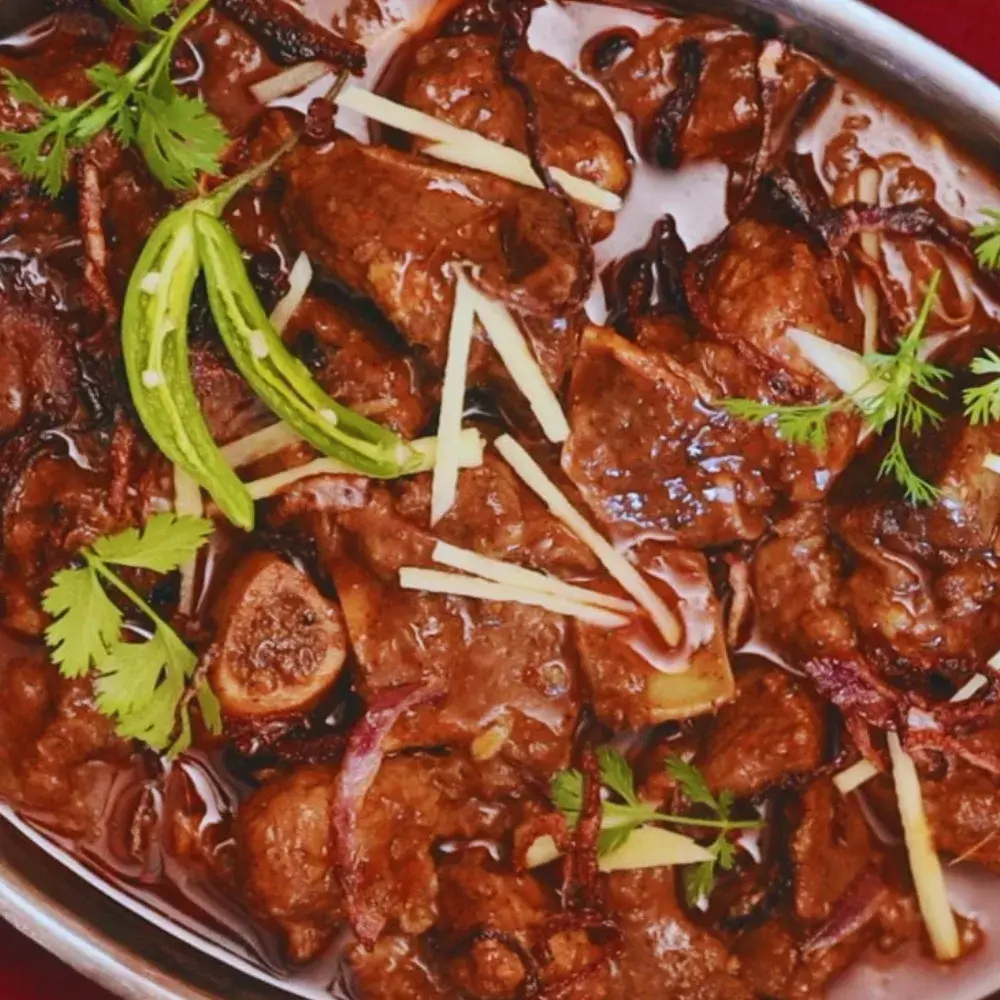
Nihari is not flashy food. It doesn’t shout. It whispers slowly, confidently, and with authority.
Cooked right, it turns goat meat into something almost poetic. Rich, comforting, and deeply satisfying.
This is not just a stew.
This is tradition, time, and technique in one bowl.
This is Nihari, the Pottel Raja way.